
First trip classics
Start here if this is your first time in China or you only know Beijing / Shanghai names.
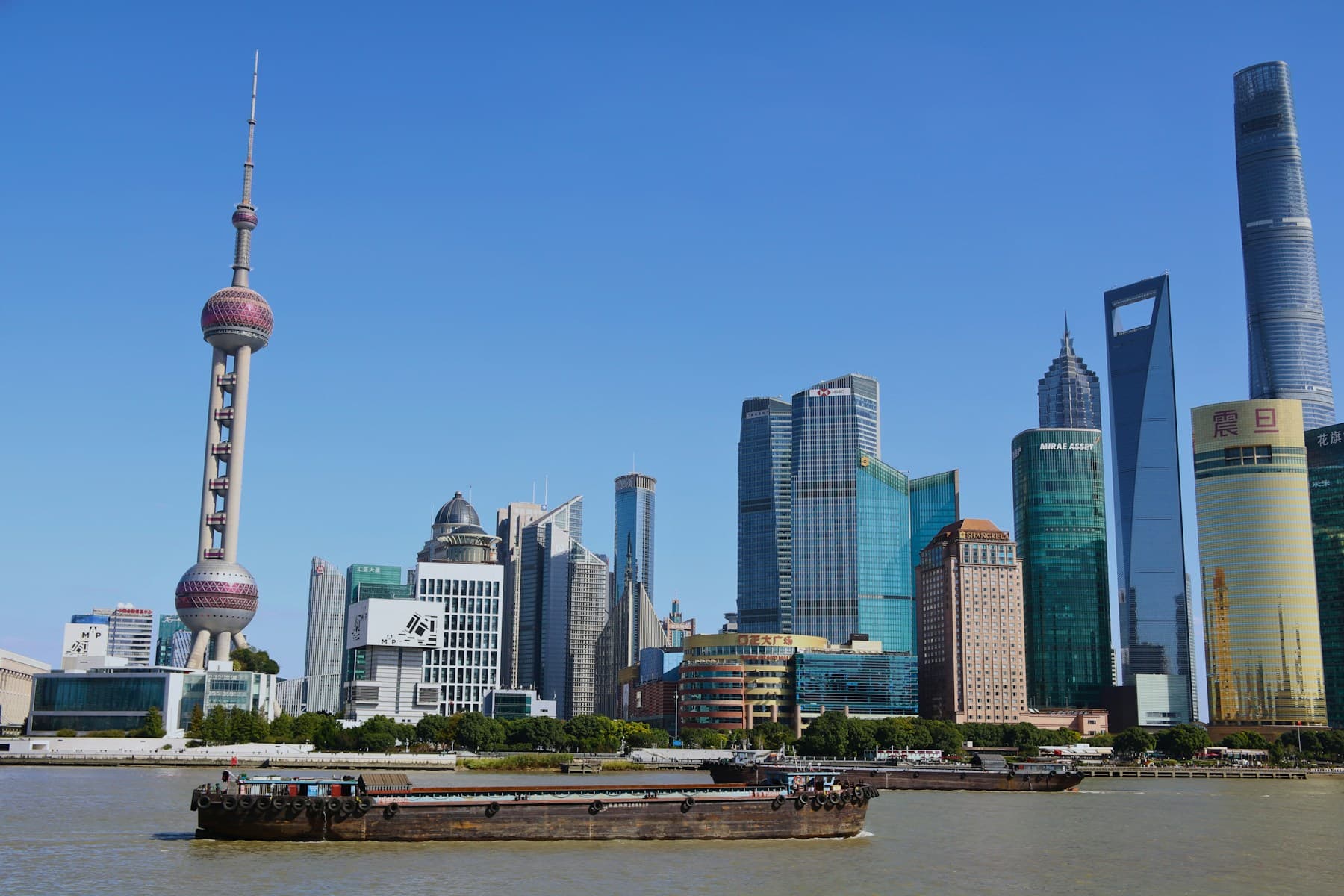


Beautiful photos create desire; route checks protect the trip. Start with the visual direction, then send the rough shape so a human can judge days, walking load, hotel changes, weather buffer, and transfers before you book.

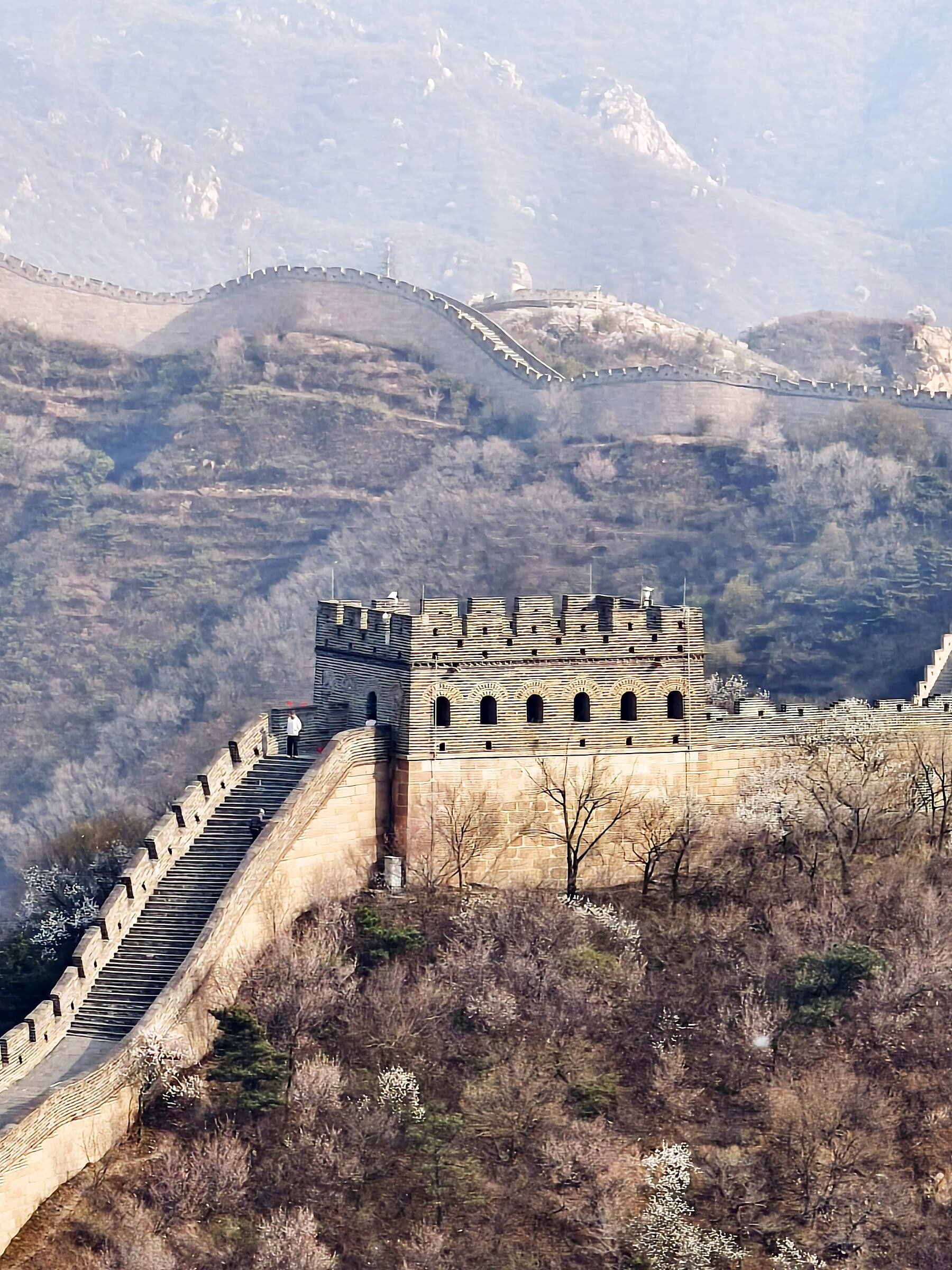
Great Wall, Xian, Shanghai: clear, recognizable, hard to explain wrong.

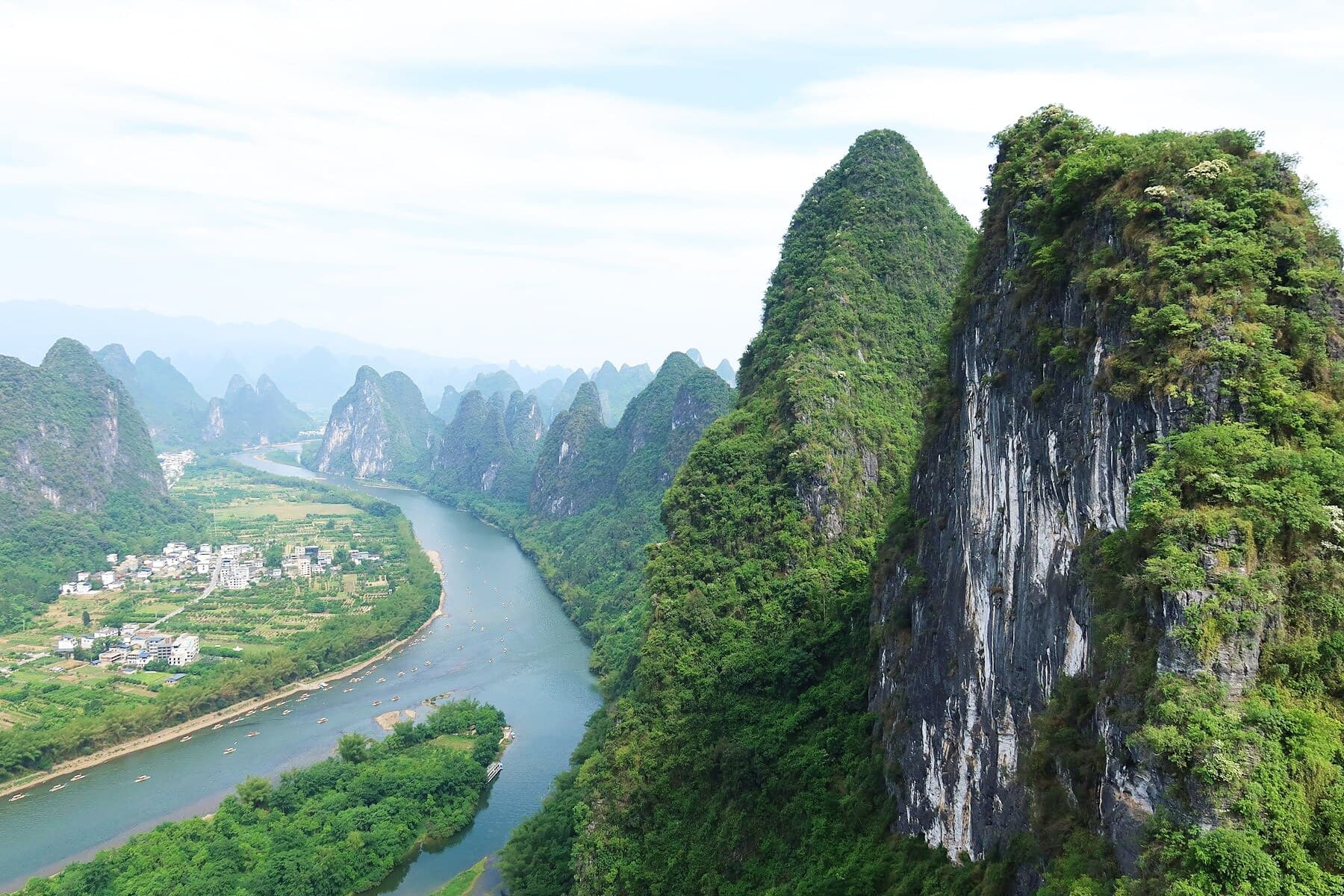
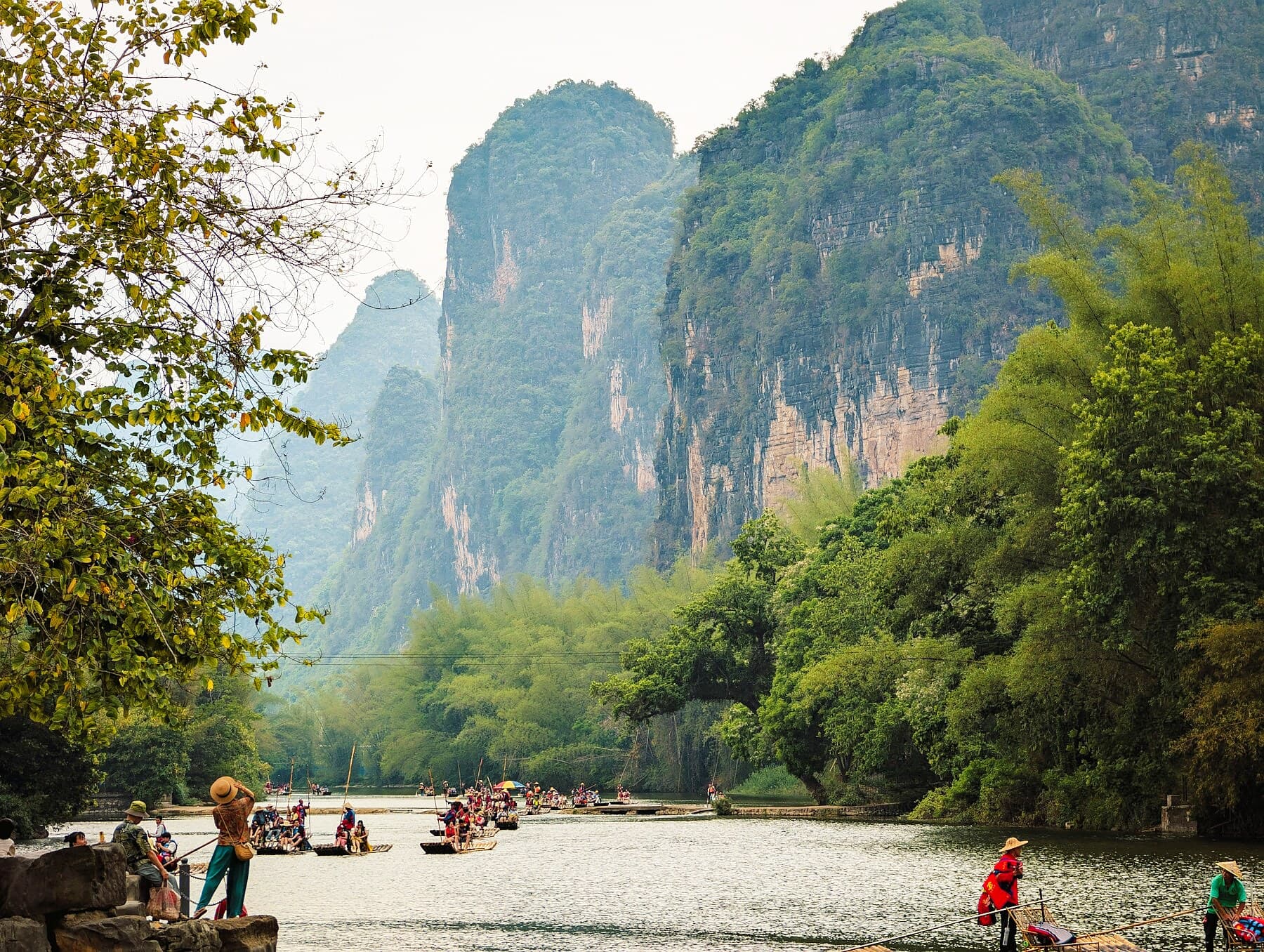
Yangshuo, Li River, pandas or Hangzhou without turning every day hard.

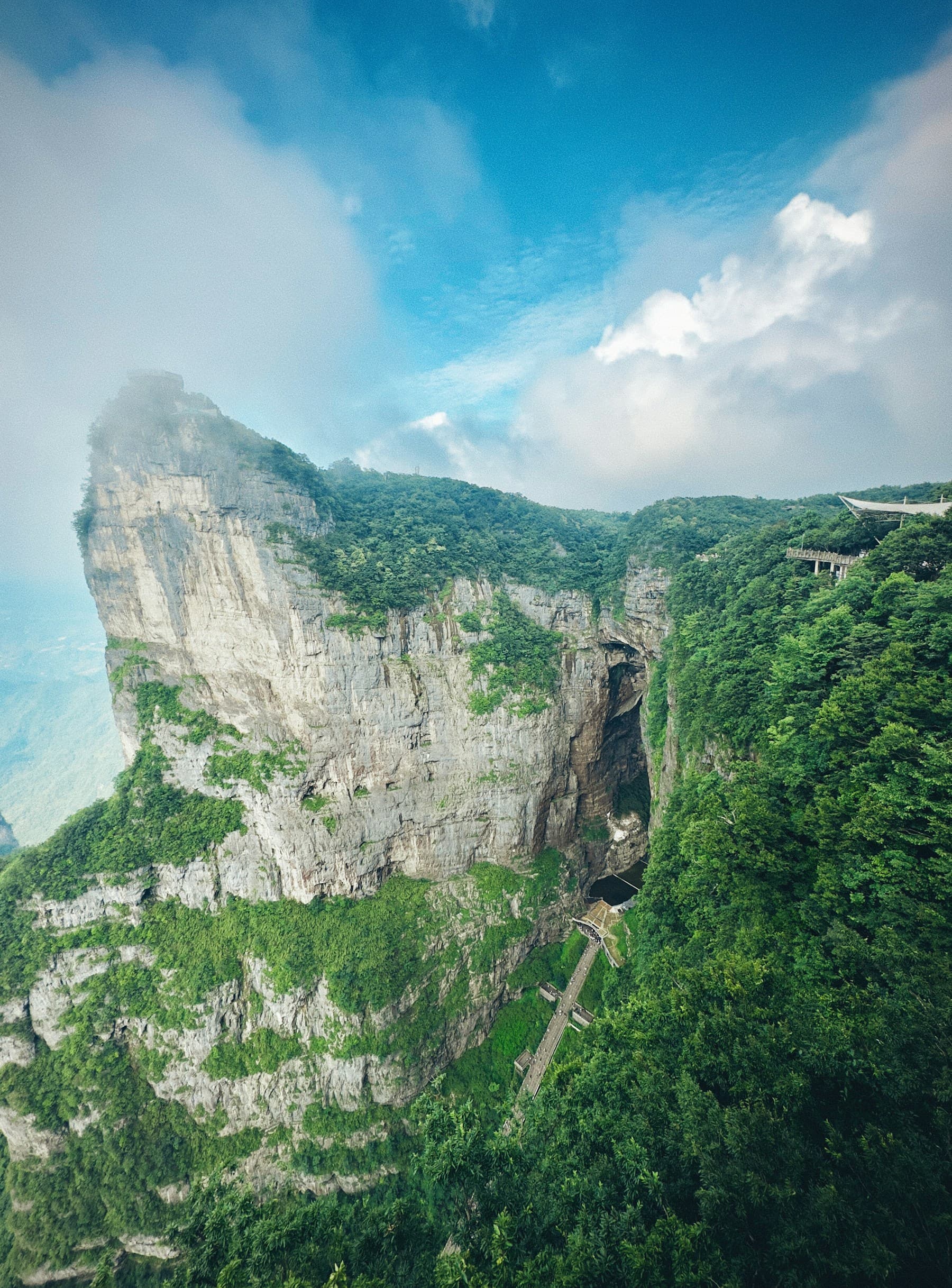
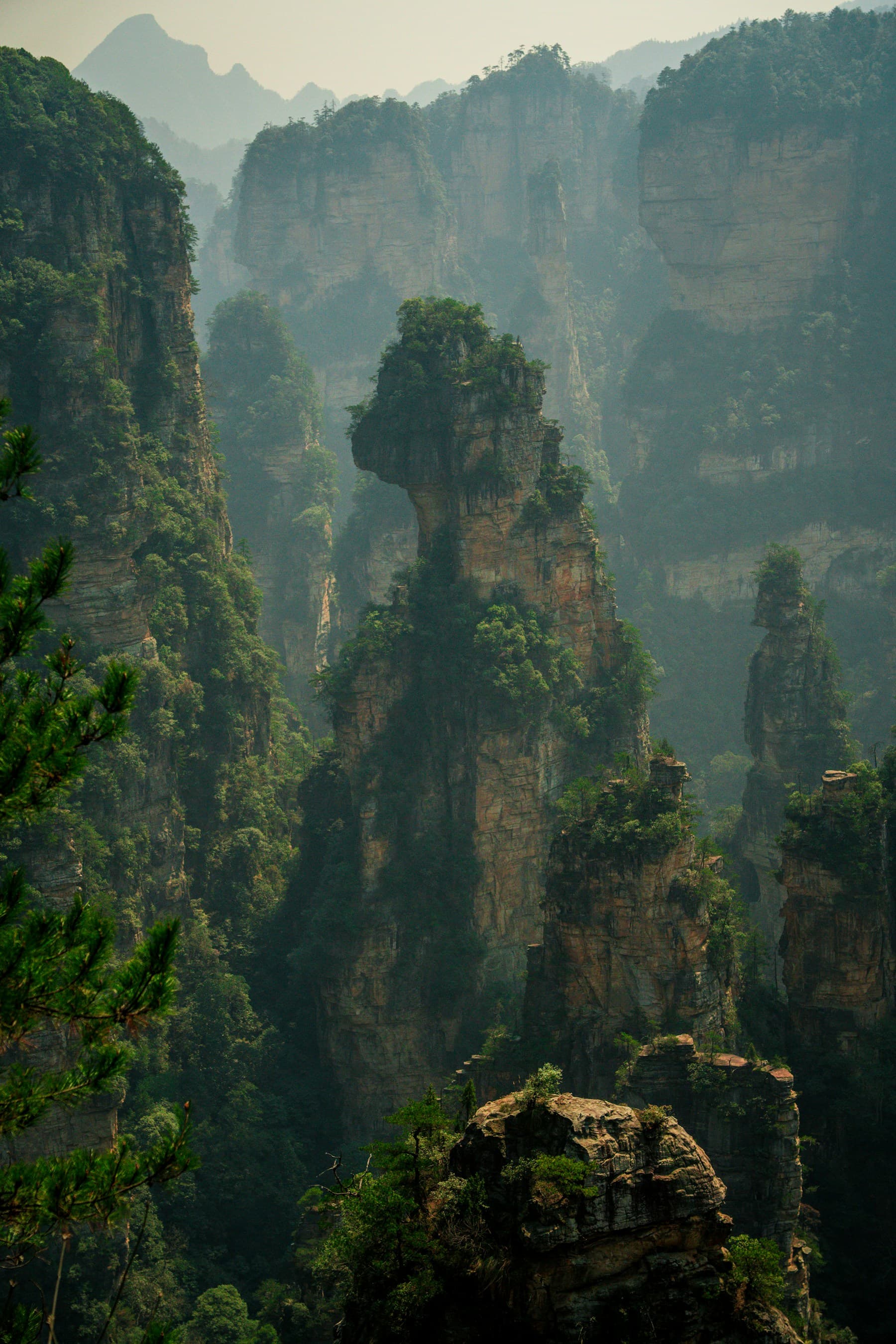
Zhangjiajie and dramatic scenery, but only if nights and walking fit.

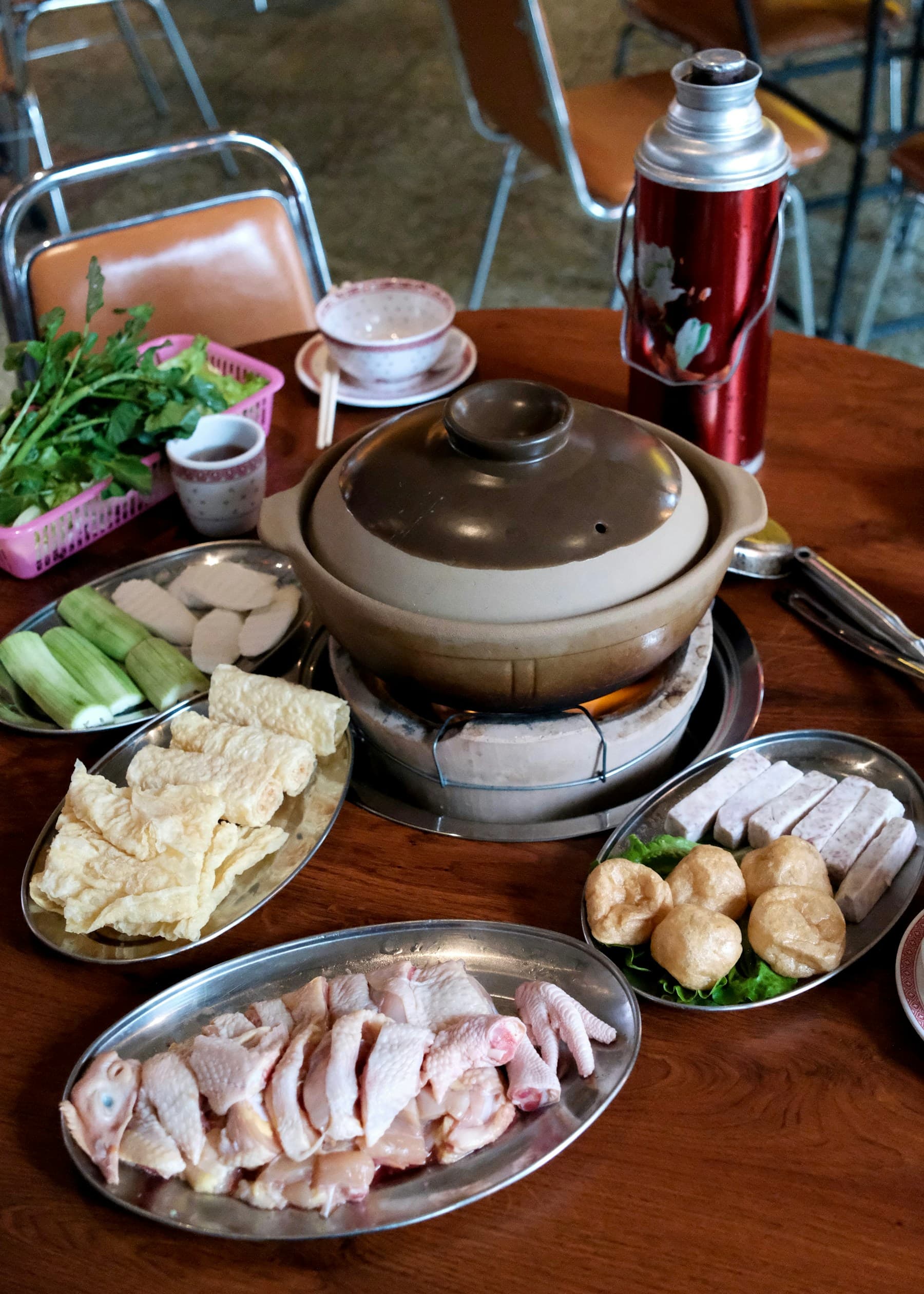
Chengdu rhythm, hotpot, pandas, and a softer city-based route.

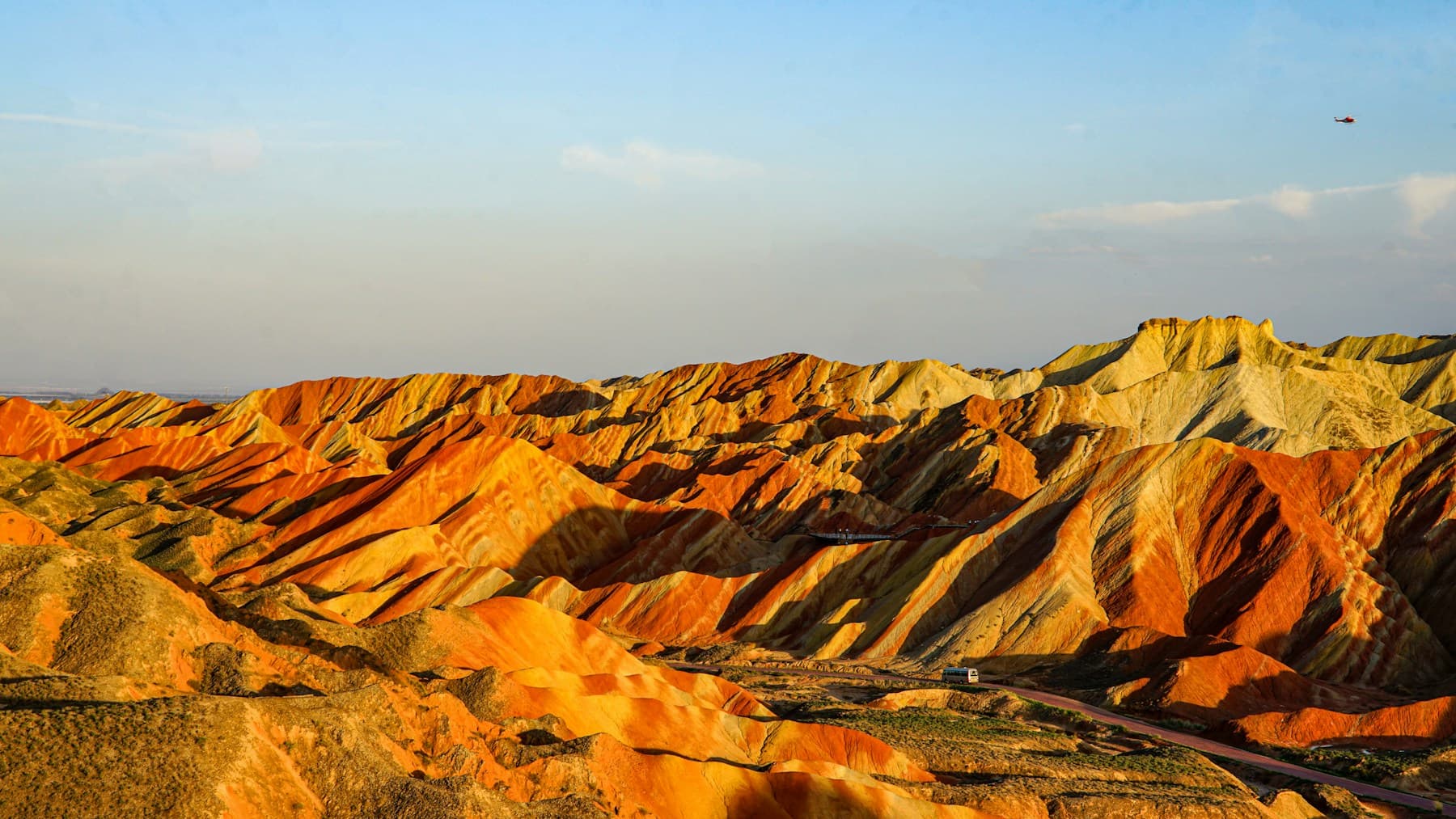
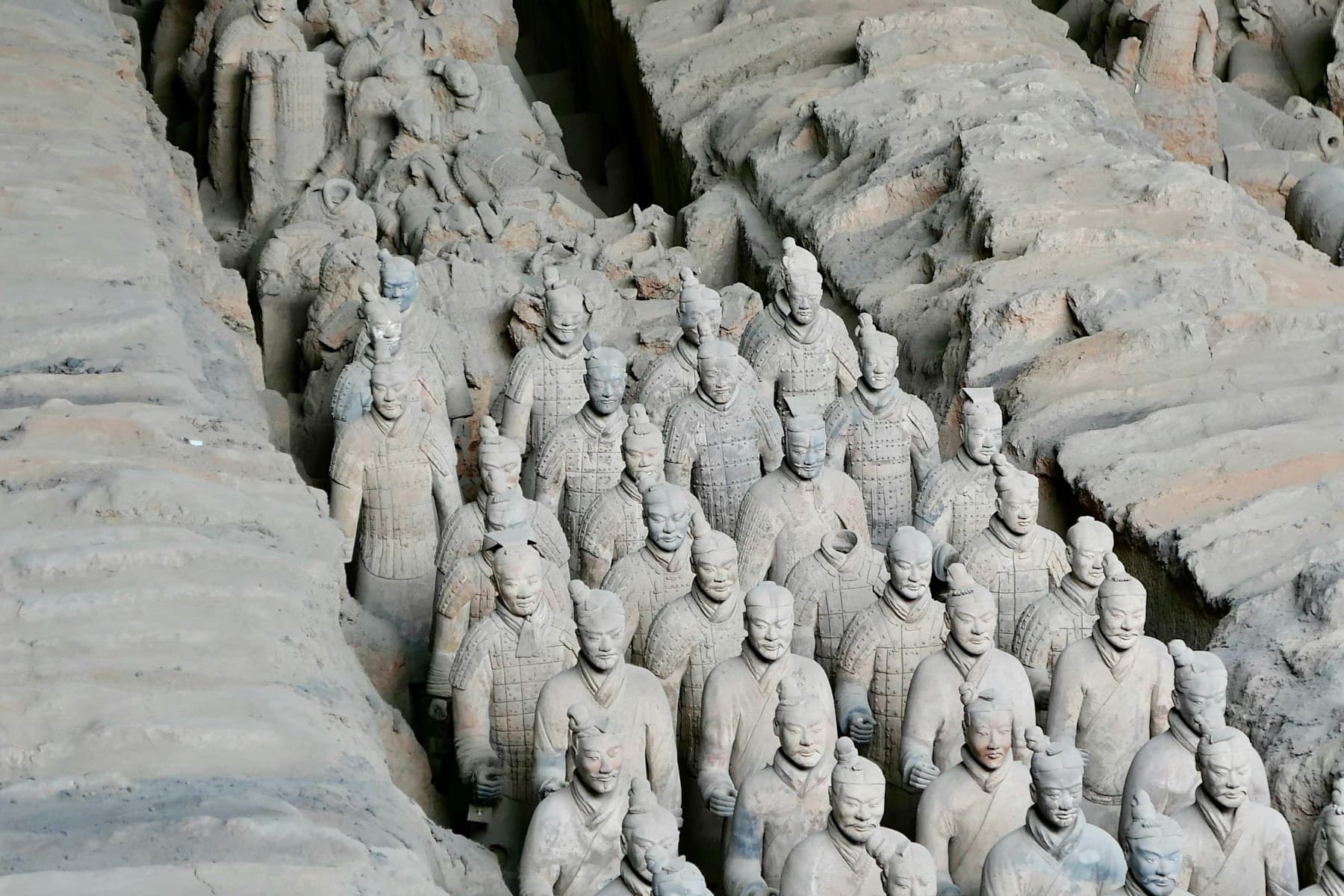
Dunhuang, Zhangye color, Xian gateway, and big-distance route logic.

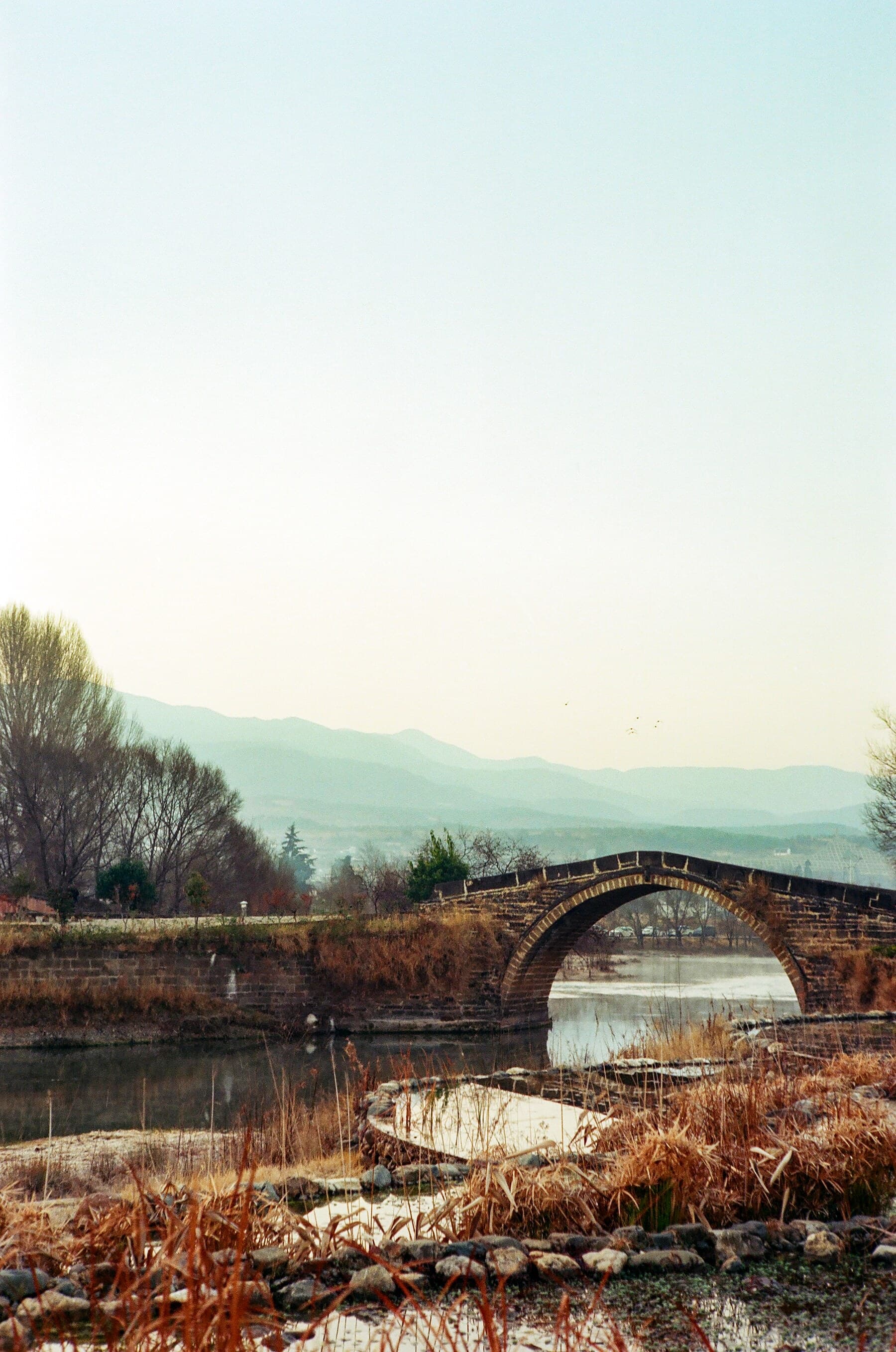
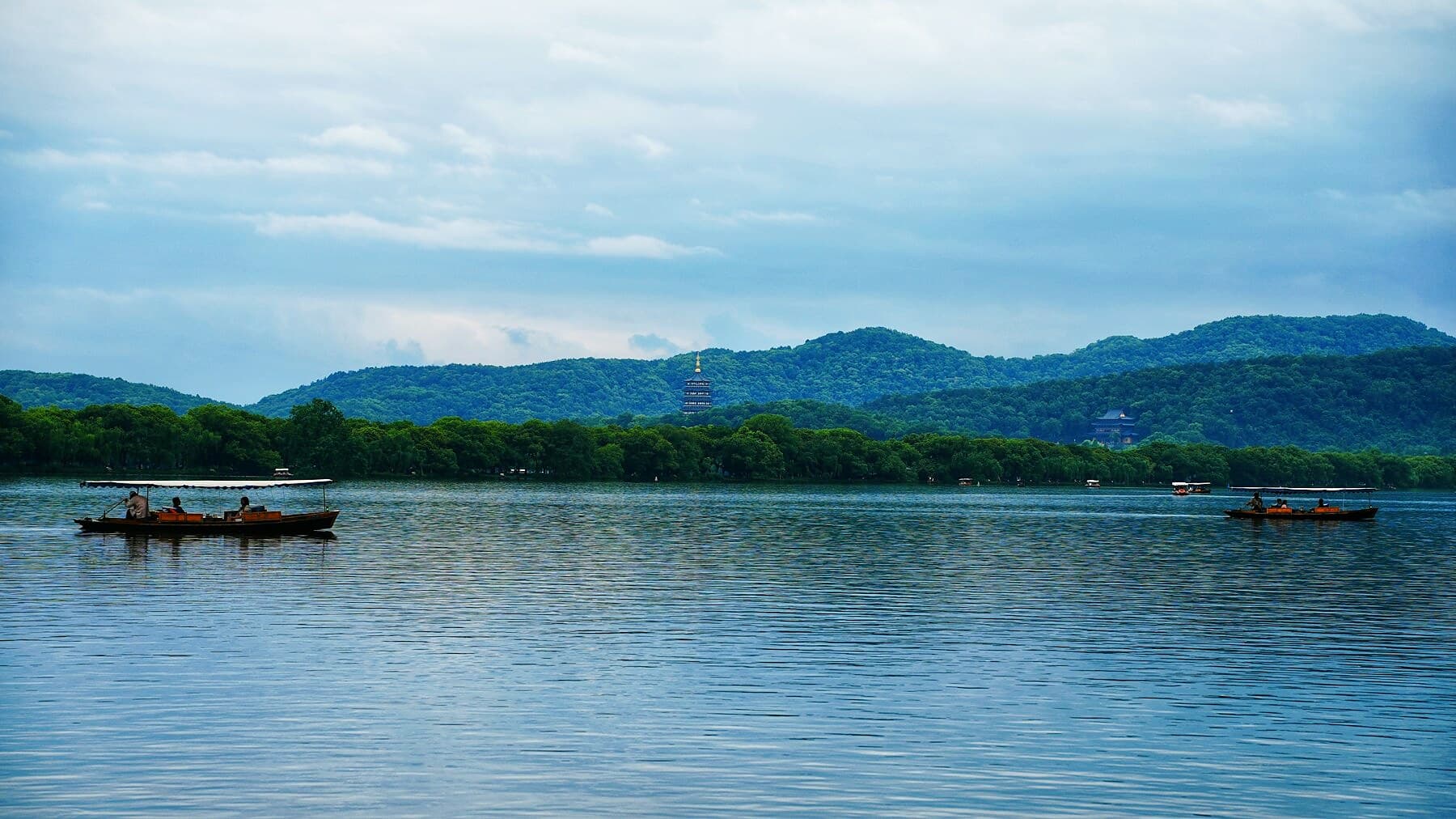
Hangzhou, Jiangnan, tea, gardens, and a lower-pressure eastern route.
Choose the picture that makes you want to go. The route logic comes after the visual pull.
Open the matching album and check what is core, what is optional, and what may be too rushed.
Use the route as your quote starting point. You do not need exact hotels, train numbers, or Chinese city spelling.
Each door starts with the feeling a traveler can recognize: icons, rivers, mountains, food, family comfort, frontier scale, coast, rail retreats, or premium scenery. Open the album that creates desire, then use that route direction as the starting brief for a quote request.

Start here if this is your first time in China or you only know Beijing / Shanghai names.


Zhangjiajie, Guilin, Huangshan, rivers, mountains, photography, and dramatic nature routes.


Yunnan, Guizhou, Fujian, Shanxi, Henan, Shandong, Jiangnan, villages, heritage, and slower cultural depth.


Chengdu, Guangzhou, Xian food, soft city rhythm, shopping, teahouses, and easier urban routes.


Routes where walking load, hotel changes, station time, and mixed ages matter more than city count.


Silk Road, Xinjiang, Tibet gateway, Qinghai, Inner Mongolia, Harbin winter, and big-distance routes.


Hainan, Xiamen, Qingdao, Dalian, visa-free transit, short gateway stays, and softer coastal endings.


High-speed rail corridors, wellness, Hangzhou retreats, tea routes, slow hotels, and lower-friction movement.


Luxury slow travel, photography, public holidays, special seasons, boutique pacing, and niche route shapes.


A route map is useful only when it answers a real pre-booking question. Start with the map that matches the uncertainty, then send the rough version for a private route verdict and possible quote brief.
Start with: Classic first China
Avoid: Adding both a remote scenic region and multiple extra city bases.
Open this pathStart with: Compare Zhangjiajie, Guilin/Yangshuo, and Huangshan.
Avoid: Choosing by fame alone. Dramatic, soft, and classical scenery create different trip rhythms.
Open this pathStart with: Family China comfort or Jiangnan comfort route.
Avoid: One-night scenic stops, hard mountain days, and too many station transfers.
Open this pathStart with: Yunnan, Guizhou, Silk Road, or Xinjiang -but only with enough days.
Avoid: Treating long-distance regional China like a simple add-on to Beijing/Shanghai.
Open this pathUsually workable if dates, hotels, and transfers are chosen sensibly.
Promising, but one or two design choices decide whether it stays comfortable.
Possible, but the route has real fragility: distance, weather, walking load, or booking order.
Do not book yet. Something important is under-protected or too compressed.
Every good China route needs a stable spine: classic cities, one region, or one strong scenic anchor.
The map should expose the risky decision: extra city, mountain night, transfer day, weather buffer, or family comfort.
A useful route should become a clear quote brief only after the route shape is realistic.

Safest culture + city contrast for first-time travelers.
Check before booking: Whether to keep it clean or add one soft side trip.

Big visual payoff, but only with protected scenic nights.
Check before booking: Weather buffer, park entrances, one-night risk, transfer fatigue.

History plus river scenery and a calmer countryside rhythm.
Check before booking: Yangshuo base, Li River day, Longji optionality, hotel changes.

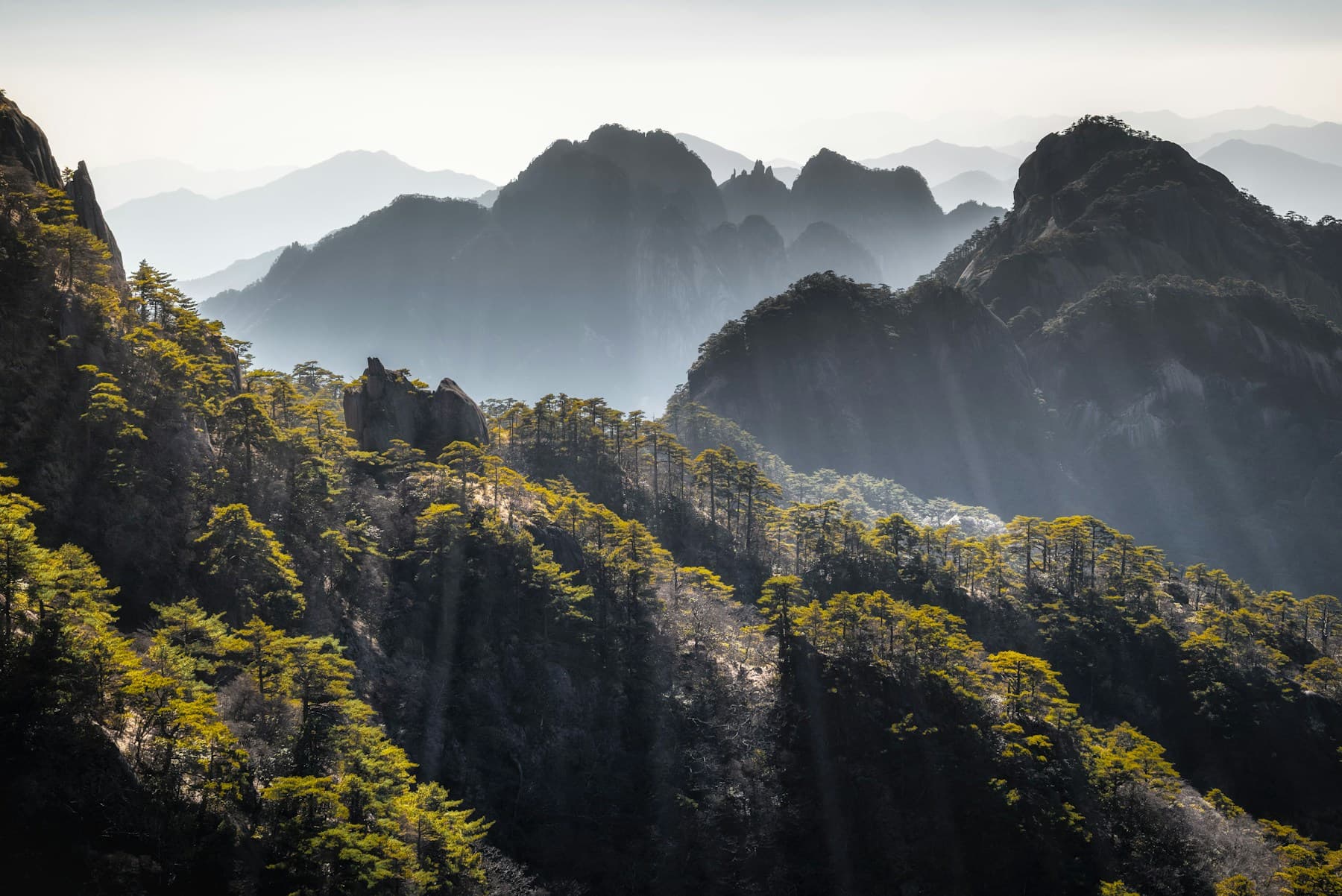
Premium classical mountain route with villages and sunrise hope.
Check before booking: Summit hotel, luggage, stairs, weather probability, village order.

Soft landing, gardens, canals, tea, and easy transfers.
Check before booking: Avoiding sameness, choosing one water town, hotel area logic.

Food, teahouses, pandas, softer city rhythm, optional nature.
Check before booking: Whether Jiuzhaigou is realistic or Leshan/Emei is the calmer add-on.

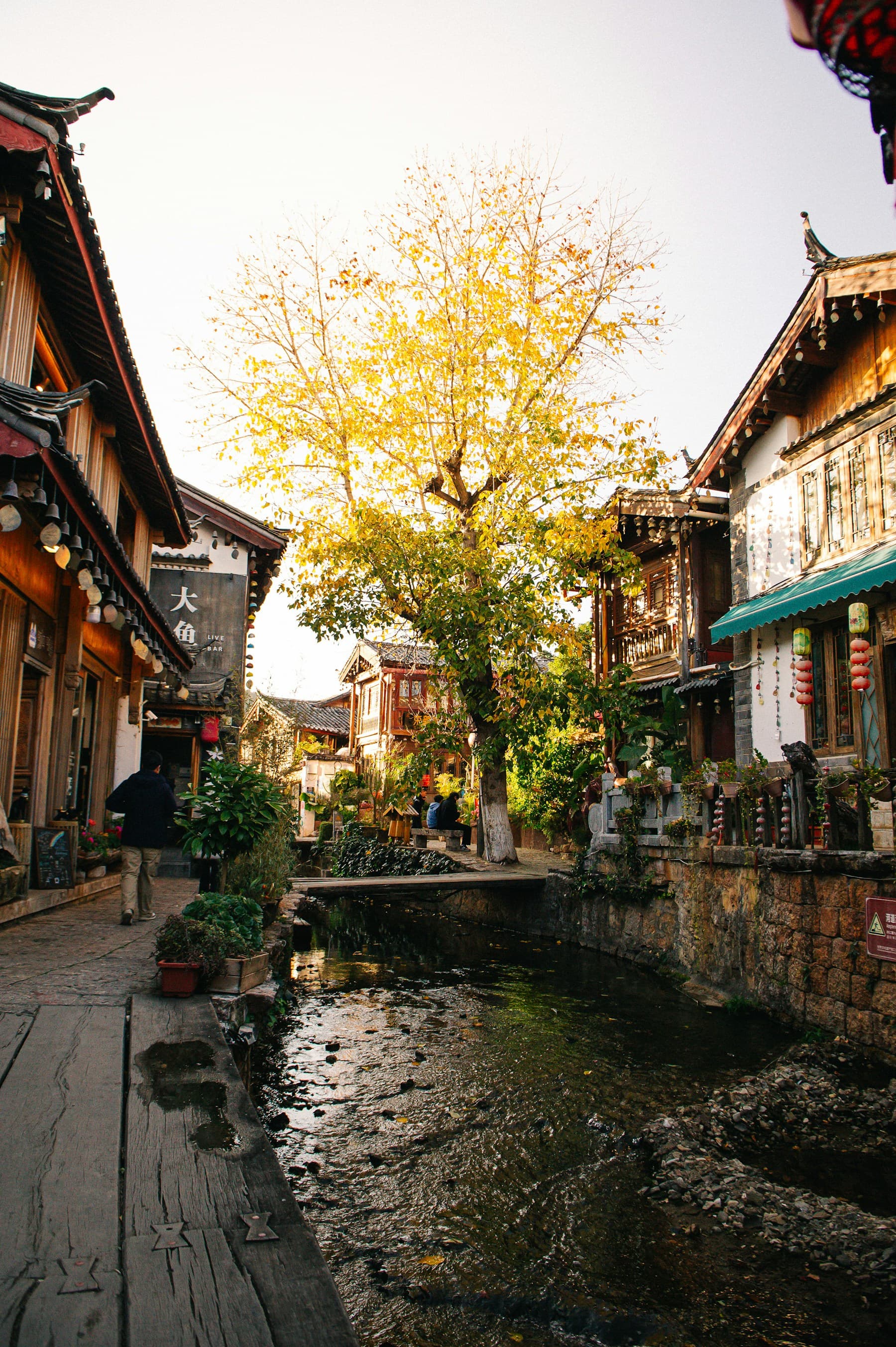
Old towns, highland scenery, markets, boutique atmosphere.
Check before booking: Altitude, old-town repetition, transfer days, pace between bases.

Living traditions, markets, old towns, crafts, and slower cultural depth.
Check before booking: Road logistics, comfort expectations, repetition, and photography pace.

Grottoes, dunes, rainbow mountains, frontier history.
Check before booking: Long distances, dry season, dedicated route vs eastern add-on.

Huge scale: color ridges, desert, frontier cities, and optional far-west landscapes.
Check before booking: Season, driving stamina, regional logistics, comfort, and whether Xinjiang should be separate.

Meaningful China with softer transfers for parents, kids, or seniors.
Check before booking: Walking load, station time, meal flexibility, hotel changes.

Reliable winter culture with optional snow atmosphere.
Check before booking: Cold tolerance, Harbin add-on realism, indoor comfort, flight risk.
These route cards are designed to become a clean quote brief: dates, nights, must-keep scenes, walking comfort, and what should be cut if the trip is too tight.
Choose the map or album that matches what you want to see in China.
Tell us month, days, group size, comfort level, and the scene you most want to protect.
We check whether the route is realistic before turning it into a supplier quote brief.
Your contact details are not sent to local suppliers unless you confirm matching.
This atlas gathers the route shapes a China-focused travel desk should be able to judge: first-time classics, province-level regional routes, high-speed rail corridors, food routes, family comfort routes, seasonal routes, highland routes, border landscapes, coastal culture, and deep heritage circuits. Each card is a starting shape; the route verdict decides whether it is safe to book for the traveler dates, pace, and comfort.
Start here if this is your first time in China or you only know Beijing / Shanghai names.
Beijing → Xi’an → Shanghai
Best for: First-time travelers who want the safest culture + city contrast.
Route risk: Do not add Zhangjiajie or Guilin unless you extend the trip.
Beijing → Xi’an → Zhangjiajie → Shanghai
Best for: Travelers who want one unforgettable scenic anchor after classic cities.
Route risk: Zhangjiajie needs nights, weather buffer, and park logic.
Beijing → Xi’an → Guilin/Yangshuo → Shanghai
Best for: Families, couples, and travelers who want scenery without a hard mountain pace.
Route risk: Protect slower river days instead of turning Guilin into a rushed stop.
Classic core + one scenic anchor
Best for: Travelers who saved too many places and need a realistic cut.
Route risk: Ten days is enough for a strong trip, not for every famous place.
Classic cities + one or two scenic bases
Best for: Travelers who want depth, not a checklist.
Route risk: Choose a theme: dramatic mountains, soft rivers, southwest culture, or slow luxury.
Beijing or Shanghai → Guilin/Yangshuo → Chengdu or Xi’an
Best for: Families with kids, parents, or seniors who need softer transfers.
Route risk: Walking load, hotel changes, meal flexibility, and station time matter more than city count.
Zhangjiajie, Guilin, Huangshan, rivers, mountains, photography, and dramatic nature routes.
Beijing → Xi’an → Zhangjiajie → Shanghai
Best for: Travelers who want one unforgettable scenic anchor after classic cities.
Route risk: Zhangjiajie needs nights, weather buffer, and park logic.
Beijing → Xi’an → Guilin/Yangshuo → Shanghai
Best for: Families, couples, and travelers who want scenery without a hard mountain pace.
Route risk: Protect slower river days instead of turning Guilin into a rushed stop.
Classic core + one scenic anchor
Best for: Travelers who saved too many places and need a realistic cut.
Route risk: Ten days is enough for a strong trip, not for every famous place.
Classic cities + one or two scenic bases
Best for: Travelers who want depth, not a checklist.
Route risk: Choose a theme: dramatic mountains, soft rivers, southwest culture, or slow luxury.
Beijing or Shanghai → Guilin/Yangshuo → Chengdu or Xi’an
Best for: Families with kids, parents, or seniors who need softer transfers.
Route risk: Walking load, hotel changes, meal flexibility, and station time matter more than city count.
Shanghai → Hangzhou/Suzhou → Huangshan → old villages
Best for: Travelers who want poetic scenery, gardens, tea, old towns, and classical China.
Route risk: Huangshan stairs and weather need a realistic mountain night plan.
Yunnan, Guizhou, Fujian, Shanxi, Henan, Shandong, Jiangnan, villages, heritage, and slower cultural depth.
Beijing → Xi’an → Shanghai
Best for: First-time travelers who want the safest culture + city contrast.
Route risk: Do not add Zhangjiajie or Guilin unless you extend the trip.
Dali → Lijiang → Shangri-La or Tiger Leaping Gorge
Best for: Travelers who want old towns, markets, highland scenery, boutique stays, and atmosphere.
Route risk: Altitude, road time, and too many old towns can dilute the route.
Shanghai → Hangzhou/Suzhou → Huangshan → old villages
Best for: Travelers who want poetic scenery, gardens, tea, old towns, and classical China.
Route risk: Huangshan stairs and weather need a realistic mountain night plan.
Guiyang → Kaili villages → Zhaoxing Dong Village
Best for: Culture-first travelers who want villages, crafts, markets, and living traditions.
Route risk: Logistics are more complex than classic city routes; comfort expectations need checking.
Hangzhou → Suzhou → Guilin/Yangshuo → Shanghai
Best for: Couples and slower travelers who want gardens, canals, tea, river scenery, and soft evenings.
Route risk: Too many “pretty towns” can blur together; protect two-night bases.
Beijing → Xi’an → Shanghai / Harbin add-on if desired
Best for: Travelers visiting in winter who need reliable cities, culture, food, and optional snow atmosphere.
Route risk: Do not treat Harbin as a casual add-on unless flights, cold tolerance, and extra days fit.
Chengdu, Guangzhou, Xian food, soft city rhythm, shopping, teahouses, and easier urban routes.
Beijing → Xi’an → Shanghai
Best for: First-time travelers who want the safest culture + city contrast.
Route risk: Do not add Zhangjiajie or Guilin unless you extend the trip.
Beijing or Shanghai → Guilin/Yangshuo → Chengdu or Xi’an
Best for: Families with kids, parents, or seniors who need softer transfers.
Route risk: Walking load, hotel changes, meal flexibility, and station time matter more than city count.
Chengdu → Panda Base → Leshan/Emei or Jiuzhaigou
Best for: Families, food lovers, panda fans, and travelers who want softer city rhythm.
Route risk: Jiuzhaigou is not a casual day trip; choose Leshan/Emei for easier pacing.
Classic city pair → choose one: Zhangjiajie / Guilin / Huangshan
Best for: Travelers who know they want scenery but cannot choose the right scenic anchor.
Route risk: The wrong scenic anchor creates the wrong trip: dramatic, soft, and classical scenery have different pacing.
Chengdu → Xi’an → Shanghai or Guangzhou
Best for: Travelers who plan trips around meals, markets, noodles, hotpot, and street snacks.
Route risk: Food routes still need pacing; do not make every meal a transfer-day recovery problem.
Beijing → Xi’an → Shanghai / Harbin add-on if desired
Best for: Travelers visiting in winter who need reliable cities, culture, food, and optional snow atmosphere.
Route risk: Do not treat Harbin as a casual add-on unless flights, cold tolerance, and extra days fit.
Routes where walking load, hotel changes, station time, and mixed ages matter more than city count.
Beijing → Xi’an → Guilin/Yangshuo → Shanghai
Best for: Families, couples, and travelers who want scenery without a hard mountain pace.
Route risk: Protect slower river days instead of turning Guilin into a rushed stop.
Beijing or Shanghai → Guilin/Yangshuo → Chengdu or Xi’an
Best for: Families with kids, parents, or seniors who need softer transfers.
Route risk: Walking load, hotel changes, meal flexibility, and station time matter more than city count.
Chengdu → Panda Base → Leshan/Emei or Jiuzhaigou
Best for: Families, food lovers, panda fans, and travelers who want softer city rhythm.
Route risk: Jiuzhaigou is not a casual day trip; choose Leshan/Emei for easier pacing.
Guiyang → Kaili villages → Zhaoxing Dong Village
Best for: Culture-first travelers who want villages, crafts, markets, and living traditions.
Route risk: Logistics are more complex than classic city routes; comfort expectations need checking.
Beijing → Xi’an or Chengdu → Guilin/Yangshuo → Shanghai
Best for: Adult children traveling with parents who need meaning, comfort, and controlled walking load.
Route risk: Station transfers, stairs, meal timing, and hotel changes matter more than famous-place count.
Beijing → Datong → Pingyao → Xi’an
Best for: History travelers who want ancient capitals, cave art, walled towns, and a more northern China feeling.
Route risk: This is culture-heavy and less glossy; train timing and hotel comfort need review.
Silk Road, Xinjiang, Tibet gateway, Qinghai, Inner Mongolia, Harbin winter, and big-distance routes.
Dali → Lijiang → Shangri-La or Tiger Leaping Gorge
Best for: Travelers who want old towns, markets, highland scenery, boutique stays, and atmosphere.
Route risk: Altitude, road time, and too many old towns can dilute the route.
Xi’an → Lanzhou/Zhangye → Dunhuang
Best for: History lovers, desert landscapes, repeat visitors, and travelers wanting an epic northwest theme.
Route risk: Distances are large; this works best as a dedicated route, not an eastern China add-on.
Beijing → Xi’an → Shanghai / Harbin add-on if desired
Best for: Travelers visiting in winter who need reliable cities, culture, food, and optional snow atmosphere.
Route risk: Do not treat Harbin as a casual add-on unless flights, cold tolerance, and extra days fit.
Chengdu → Lhasa → Shigatse / Yamdrok Lake
Best for: Experienced travelers who specifically want Tibetan culture, highland landscapes, and spiritual sites.
Route risk: Permits, altitude, health, and guide rules make this a serious planning route, not a casual add-on.
Xining → Qinghai Lake → Chaka / grasslands
Best for: Landscape travelers who want open skies, lakes, grasslands, and highland mood without a full Tibet route.
Route risk: Altitude, long drives, and seasonal weather decide whether this feels magical or exhausting.
Urumqi → Turpan → Ili or Kashgar
Best for: Travelers who want huge landscapes, bazaars, desert roads, grasslands, and Central Asian flavor.
Route risk: Distances are massive; season, driving comfort, and regional logistics need careful checking.
Hainan, Xiamen, Qingdao, Dalian, visa-free transit, short gateway stays, and softer coastal endings.
Shanghai → Nanjing → Wuhan/Chongqing → Chengdu
Best for: Travelers curious about river cities, modern history, food, and big-city China beyond the usual triangle.
Route risk: This is not the easiest first trip; choose fewer cities if comfort matters.
Chengdu → Lhasa → Shigatse / Yamdrok Lake
Best for: Experienced travelers who specifically want Tibetan culture, highland landscapes, and spiritual sites.
Route risk: Permits, altitude, health, and guide rules make this a serious planning route, not a casual add-on.
Xiamen → Tulou villages → Wuyishan or Quanzhou
Best for: Travelers who want coastal atmosphere, tea, heritage villages, and less obvious China routes.
Route risk: Tulou and Wuyishan need routing discipline; do not scatter the trip across too many towns.
Qingdao → Qufu → Jinan or Mount Tai
Best for: Travelers who want beer-city coast, Confucian heritage, springs, and sacred mountain culture.
Route risk: This is not a beach-only route; summer crowds and mountain effort need checking.
Wuhan → Wudang Mountain → Yichang / Three Gorges
Best for: Repeat visitors interested in Yangtze culture, Taoist mountains, river cities, and central China.
Route risk: This needs careful transport planning; it is less plug-and-play than Beijing–Shanghai routes.
Chongqing → Dazu Rock Carvings → Wulong or Yangtze extension
Best for: Food lovers and urban explorers who want dramatic city layers, hotpot, river views, and karst landscapes.
Route risk: Chongqing looks easy on a map but hills, heat, traffic, and add-ons can drain energy.
High-speed rail corridors, wellness, Hangzhou retreats, tea routes, slow hotels, and lower-friction movement.
Shanghai → Hangzhou/Suzhou → Huangshan → old villages
Best for: Travelers who want poetic scenery, gardens, tea, old towns, and classical China.
Route risk: Huangshan stairs and weather need a realistic mountain night plan.
Hangzhou → Suzhou → Guilin/Yangshuo → Shanghai
Best for: Couples and slower travelers who want gardens, canals, tea, river scenery, and soft evenings.
Route risk: Too many “pretty towns” can blur together; protect two-night bases.
Shanghai/Hangzhou → Huangshan villages → Guilin/Yangshuo or Yunnan
Best for: Travelers who prefer fewer bases, better hotels, private transfers, and atmospheric stays.
Route risk: Luxury is ruined by overpacking; fewer regions often feel more premium.
Guizhou → Yunnan or Huangshan/Jiangnan
Best for: Travelers who have seen the classic icons and now want villages, crafts, markets, tea, and living culture.
Route risk: Depth needs slower movement and more context; this is not a simple first-trip route.
Beijing only / Shanghai + Suzhou / Chengdu only
Best for: Travelers with a short stopover who need one strong base instead of a fake national tour.
Route risk: Trying to “see China” in 5 days usually creates airport fatigue and shallow sightseeing.
Xiamen → Tulou villages → Wuyishan or Quanzhou
Best for: Travelers who want coastal atmosphere, tea, heritage villages, and less obvious China routes.
Route risk: Tulou and Wuyishan need routing discipline; do not scatter the trip across too many towns.