Maps lie by omission
A city may look close to a scenic region, but the real day includes station choice, luggage, check-in, park transfers, queues, and weather.
You can absolutely research China yourself. The hard part is not finding beautiful places; it is knowing which places fit your days, season, energy, transfer reality, and comfort level. That is where route judgement matters.
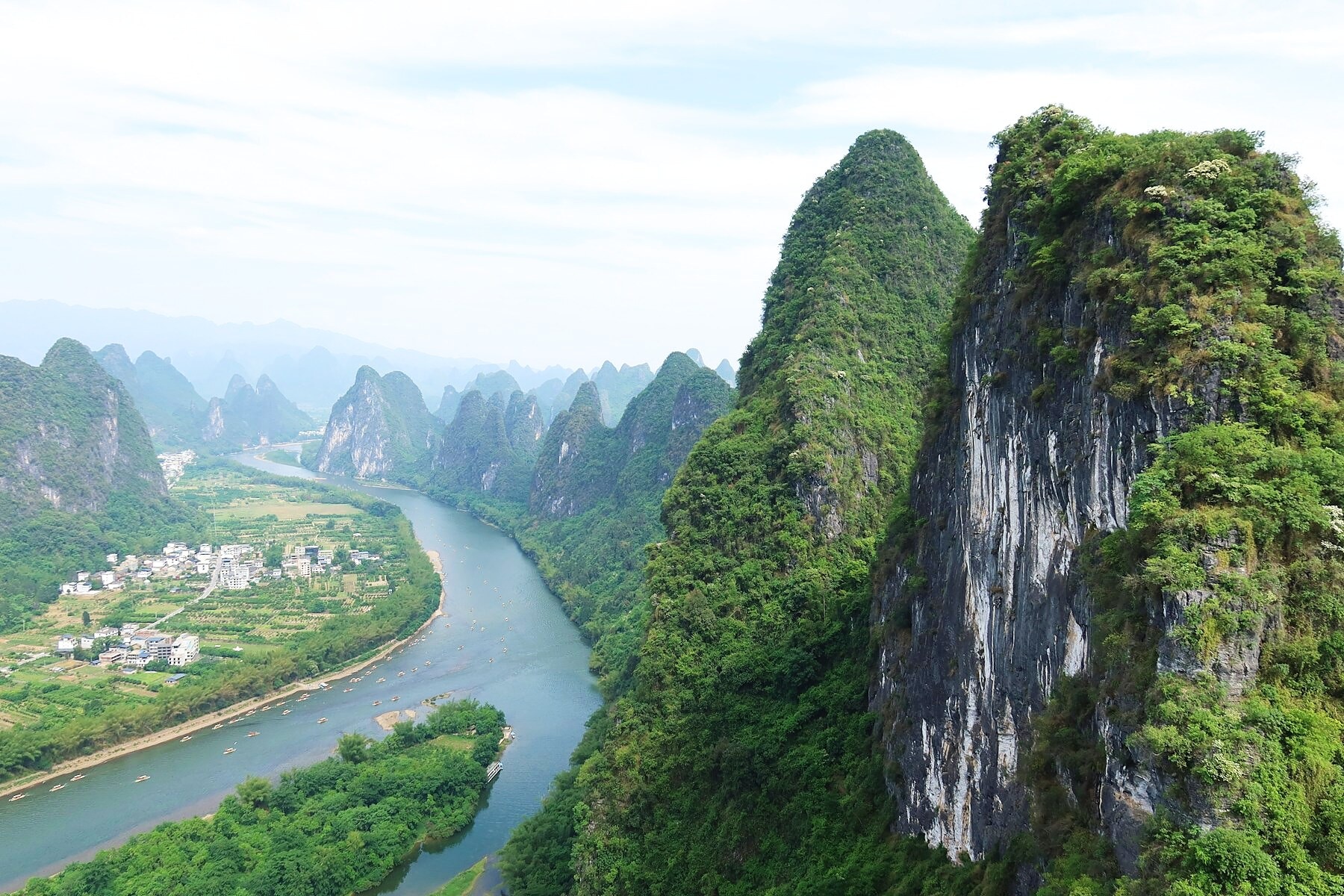
A photo can sell the destination; the route still needs nights, buffers, transfer logic, and comfort rules.
A city may look close to a scenic region, but the real day includes station choice, luggage, check-in, park transfers, queues, and weather.
Beijing + Xi’an + Shanghai, Zhangjiajie, Guilin/Yangshuo, Yunnan, Guizhou, Chengdu, and Huangshan are not interchangeable route blocks.
Beautiful nature often needs buffers. One rushed mountain day can fail because of fog, queues, walking load, or a missed transfer.
A route that works for young friends may fail for parents, children, first-time Asia travelers, or people who dislike heavy walking.
Alipay/WeChat Pay, ticketing, translation, train stations, and local navigation can change how easy a day actually feels.
The real premium value is knowing what to remove, when to slow down, and how to make the route feel effortless.
Often adds too many “must-sees” before testing transfer reality.
Chooses the right scenic anchor, pacing, city order, and comfort rules.
Can look impressive on paper but feel exhausting on the ground.
Protects the best moments by removing friction and bad sequencing.
For most first China trips, choose one major scenic anchor and optionally one softer scenic region.
Treat Zhangjiajie as a serious scenic anchor, usually with 3 nights for comfort.
If soft rivers are the goal, design around Yangshuo and countryside time, not only a city stop.
Keep Chengdu easy unless you have enough days to make Jiuzhaigou its own planned extension.
The first reply is a feasibility check: what works, what is risky, what information is missing, and what to simplify before booking.