Verdict
Green-amber: Chengdu is a strong comfort-and-food anchor, but the add-on must be chosen by time, season, and transfer tolerance.
This sample reviews a Chengdu food and panda route where the city choice is strong, but Leshan, Emei, Jiuzhaigou, Chongqing, and panda timing must not all compete for the same few days.
Green-amber: Chengdu is a strong comfort-and-food anchor, but the add-on must be chosen by time, season, and transfer tolerance.
Chengdu for food, pandas, teahouses, and a softer urban rhythm. It pairs well with Xi’an, Shanghai, or a single Sichuan add-on.
Do not lock Jiuzhaigou flights, Emei hotels, or multiple excursions before deciding whether the trip wants calm Chengdu depth or big nature.
For 5–8 days, keep Chengdu plus pandas and one nearby add-on. For Jiuzhaigou, give it enough nights and treat it as a major scenic decision.
Jiuzhaigou can be spectacular, but it usually needs flight logic, altitude awareness, weather tolerance, and enough nights. It is not the same kind of add-on as Leshan.
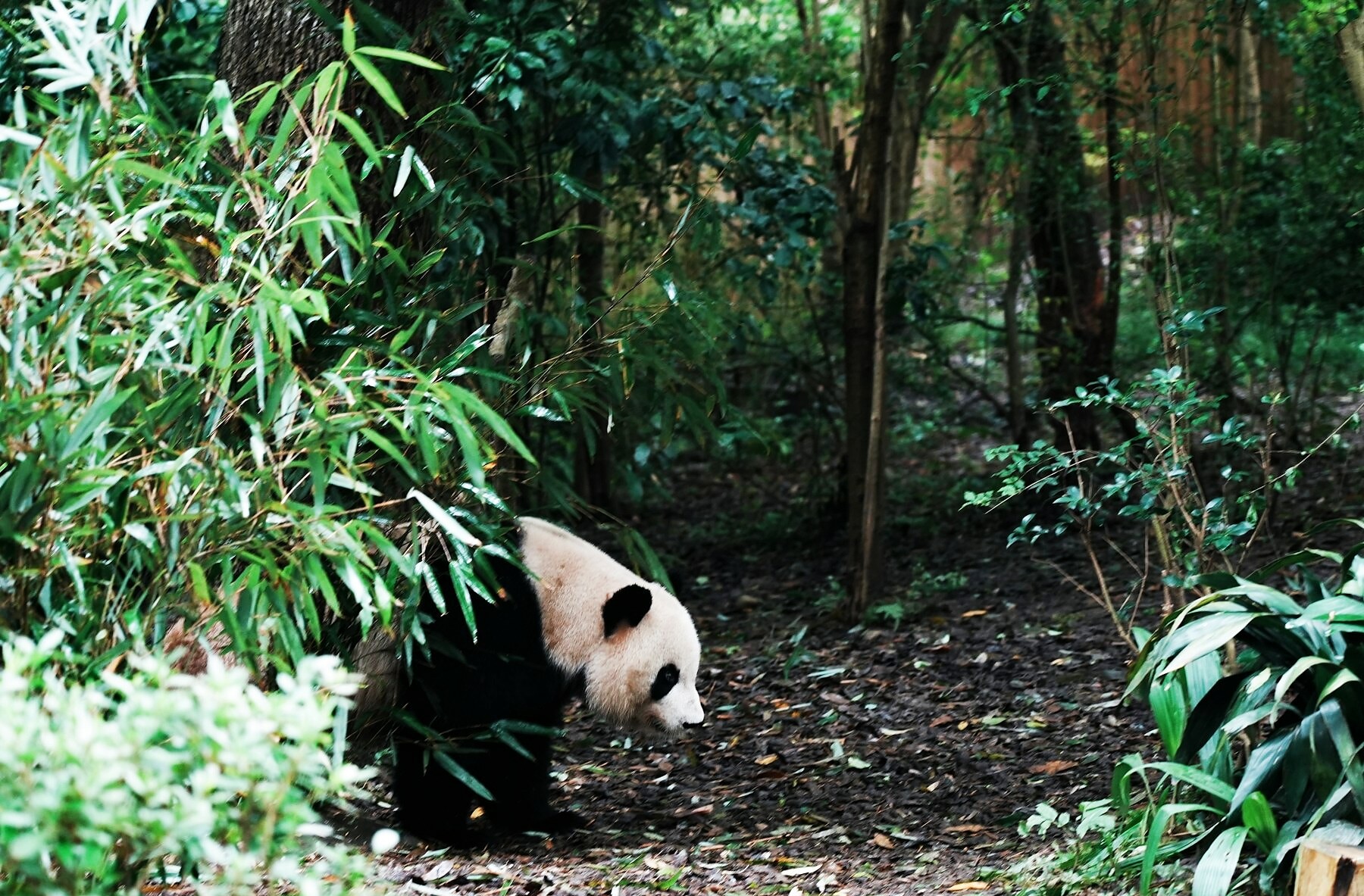
The Panda Base works best with an early, calm morning. If arrival, luggage, and hotel location are wrong, the experience becomes crowded and tiring.
Food, teahouses, parks, and neighborhoods need unhurried time. Too many day trips can remove the exact feeling Chengdu is good for.
These places create different trip shapes. Combining too many of them can make the route look rich and feel fragmented.
Because the city feels relaxed, travelers often treat it like a flexible bucket that can absorb pandas, food, temples, mountains, and another city without consequence.
Leshan, Emei, Jiuzhaigou, and Chongqing create very different levels of effort. Good judgement separates “easy extension” from “trip-shape change”.
A premium Chengdu route should still leave room for one slow teahouse afternoon, one unhurried meal, and one panda morning that does not feel punished by logistics.
Chengdu as the food, panda, and soft-city anchor if the group wants a less formal, more lived-in China feeling.
Jiuzhaigou, Emei summit plans, Chongqing add-on, exact panda morning, and whether Leshan is enough.
Month, walking comfort, altitude tolerance, flight appetite, food curiosity, and whether the trip needs big scenery or relaxed city depth.
Chengdu is a good fit if you want the trip to feel warmer, slower, and more food-led after the classic China cities. The risk is trying to make it carry pandas, Leshan, Emei, Jiuzhaigou, and Chongqing at the same time.
I would first decide whether your add-on should be easy heritage, mountain/temple atmosphere, or major nature. Leshan/Emei and Jiuzhaigou are not equal choices; they create very different logistics.
Before booking, protect one early panda morning and at least one relaxed Chengdu evening. If those disappear, the route may still be famous, but it will miss the reason Chengdu works.