D1
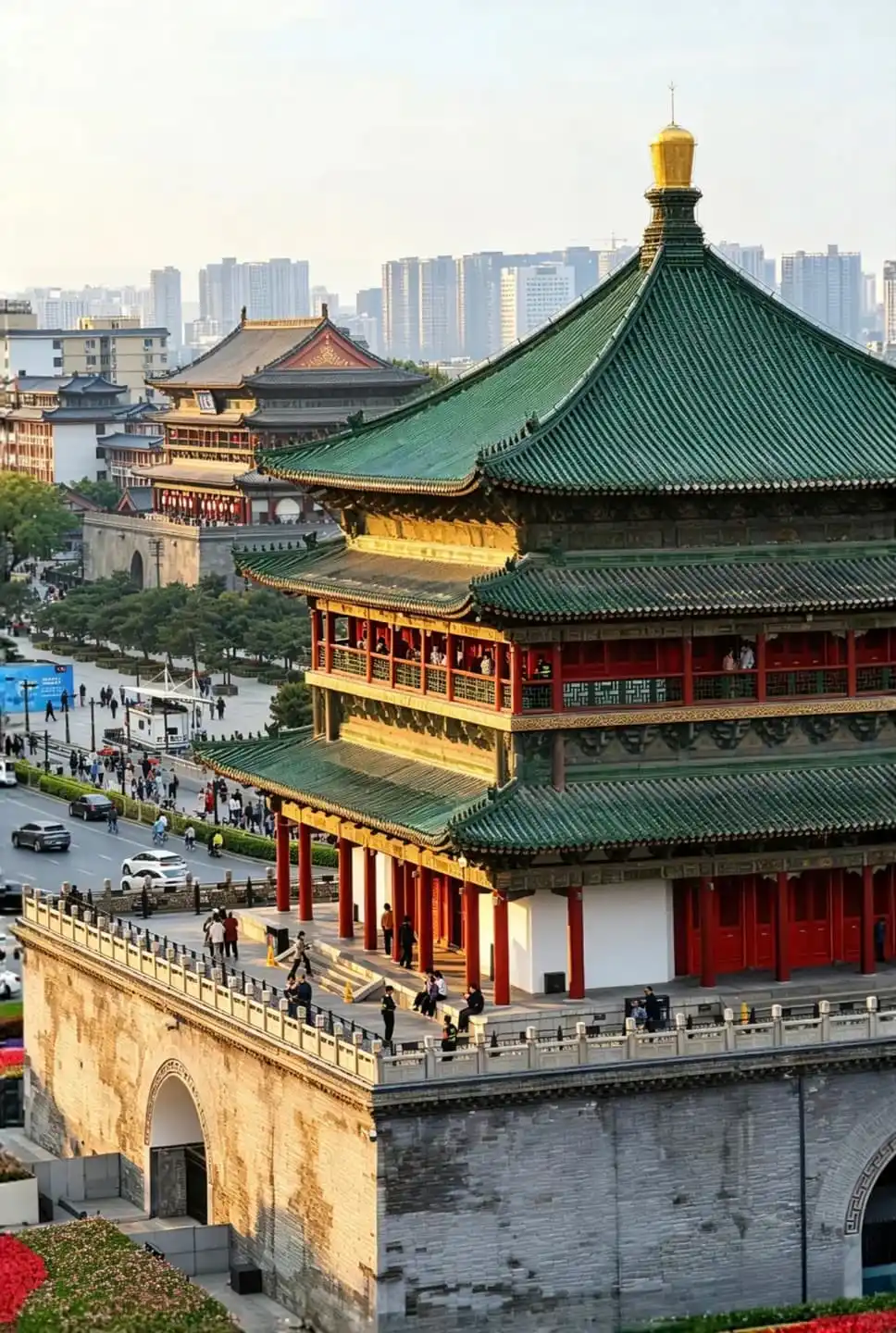
Xi'an arrival. Use Xi'an as the cultural gateway: City Wall, Bell Tower / Drum Tower, Muslim Quarter or Sajinqiao food street if arrival is gentle. Do not start the route with a late-night transfer west.
Xi'an -> Zhangye -> Dunhuang -> Turpan -> Urumqi -> Kashgar -> optional Tashkurgan
A full Silk Road China route for travelers who want desert, caves, oasis cities, and frontier culture as the main trip, not as a quick add-on after Beijing and Shanghai.
Silk Road and frontier route route guide is a 8-12+ days China route built around this spine: Xi'an -> Zhangye -> Dunhuang -> Turpan -> Urumqi -> Kashgar -> optional Tashkurgan.
A full Silk Road China route for travelers who want desert, caves, oasis cities, and frontier culture as the main trip, not as a quick add-on after Beijing and Shanghai.
Use it when the traveler fit is clear: Repeat visitors, desert/history lovers, photographers, and travelers choosing one big-distance theme. Match this route with a travel agency if this risk matters: Epic scale over convenience. Distances and season become the route design problem.
Are we choosing one big-distance frontier route, not casually stacking several remote regions?
D1 Xi'an arrival. Use Xi'an as the cultural gateway: City Wall, Bell Tower / Drum Tower, Muslim Quarter or Sajinqiao food street if arrival is gentle. Do not start the route with a late-night transfer west.
Epic scale over convenience. Distances and season become the route design problem.
This is an epic-distance China route: Xi'an history, Zhangye color, Dunhuang caves and desert, Turpan oasis ruins, Urumqi reset, Kashgar old city, and optional Tashkurgan only when season and road logic support it.
Do not combine multiple frontier dreams casually; heat, distances, altitude, permits / border rules, and flight reliability decide the route.
Are we choosing one big-distance frontier route, not casually stacking several remote regions?
Do not combine multiple frontier dreams casually; heat, distances, altitude, permits / border rules, and flight reliability decide the route.
Epic scale over convenience. Distances and season become the route design problem.
The photos are there to clarify route shape. Core scenes come first; optional add-ons are labeled so beautiful extras do not quietly become required stops.
Each image is tied to one visible stop so the route and photos can be checked together before hotels, trains, or car time are fixed.
This turns the route from a photo album into a booking check: each day needs a clear city base, one main reason to be there, and a visible risk if the route is compressed.
Xi'an arrival. Use Xi'an as the cultural gateway: City Wall, Bell Tower / Drum Tower, Muslim Quarter or Sajinqiao food street if arrival is gentle. Do not start the route with a late-night transfer west.
Xi'an history day. Visit Terracotta Warriors first, then return for City Wall, Big Wild Goose Pagoda area, or a food-led old-city evening. This gives the Silk Road route a clear historical starting point before the geography turns west.
Move into the Hexi Corridor. Fly or rail toward Lanzhou / Zhangye depending on transport, and keep this as a corridor day. If time allows, use Lanzhou Yellow River / food or Zhangye arrival dinner, but do not pretend it is a full sightseeing day.
Zhangye Danxia day. Protect Zhangye Colorful Danxia for the better light window. Mati Temple, Binggou Danxia, or corridor scenery is optional only if drive time and season fit. Danxia should not be squeezed after too many roadside stops.
Zhangye to Dunhuang. Use Jiayuguan Fort exterior / Guazhou corridor stops only if they do not steal the Dunhuang arrival. The goal is to reach Dunhuang with enough energy for the cave-and-desert days.
Dunhuang core. Book Mogao Caves around the ticket window, keep heat / lunch buffer, then use Mingsha Mountain and Crescent Spring near late afternoon or sunset. Shazhou Night Market is an evening add-on, not a replacement for cave time.
Dunhuang depth or buffer. Use Dunhuang Museum, Western Thousand Buddha Caves, Yumen Pass / Yardang line, desert photography, or simply a weather / ticket recovery day. This is the day that keeps Mogao and Mingsha from becoming rushed.
Dunhuang to Turpan / Urumqi. Fly or train according to real schedules. If entering Turpan, keep the day light with Jiaohe / Gaochang-style ruins only if arrival allows; otherwise use Urumqi as the transport reset.
Turpan oasis day. Use Jiaohe or Gaochang ruins, Karez system, Grape Valley / village layer by season, then continue to Urumqi or stay in Turpan depending on heat and transport. Do not overpack ruins in summer heat.
Urumqi to Kashgar. Fly to Kashgar and use the evening for old-city lanes, food streets, or a simple bazaar edge. This is a cultural reset after desert and ruins.
Kashgar old city day. Use Kashgar Old City, Id Kah Mosque exterior / square, bazaar / crafts streets, tea-house or food texture, and slower walking time. The value is lived-in oasis culture, not rushing to another city.
Kashgar surroundings or departure. If staying in Kashgar, use Sunday livestock market timing when relevant, craft villages, or a slower old-city morning. If the route continues to Tashkurgan, confirm season, permits / border rules, road comfort, and altitude before selling it.
Optional Tashkurgan / Karakoram start only if season, permits / border rules, road comfort, and altitude comfort fit. Use Baisha Lake / Karakul Lake / Muztagh Ata-style scenery only with a full road-day mindset; otherwise keep the day in Kashgar for market and old-city depth.
Return from Tashkurgan or use a Kashgar departure buffer. This is a separate high-road and altitude chapter, not a casual day trip. If not adding it, use the day for missed Kashgar time, shopping, food, or a clean flight connection.
This is the real point of the guide: notice whether the route still works once dates, walking, weather, and transfer pressure become real.
8-12+ days, one frontier theme, suitable season, and travelers comfortable with distance, drives, and flight uncertainty.
Mixed expectations, uncertain season, or combining two frontier geographies that each deserve their own route.
A first-time highlights trip trying to add desert, Xinjiang, grassland, and Harbin as side notes.
Route month, group type, and rough day count are enough to judge whether this route is realistic, what should be cut first, and whether the guide direction still fits before flights, hotels, trains, or private guiding are locked in.
Xi'an / Lanzhou gateway 1-2 nights - Zhangye 1-2 nights - Dunhuang 2-3 nights - more for Xinjiang, grassland, or Harbin as separate routes.
Choose one frontier theme. Do not combine Gansu, Xinjiang, grassland, and Harbin in one compressed trip.
Updated 2026-07-09. These answers summarize the route fit, main risk, and first edits to check before flights, hotels, trains, or guiding are locked.
Repeat visitors, desert/history lovers, photographers, and travelers choosing one big-distance theme.
Epic scale over convenience. Distances and season become the route design problem.
Choose one frontier theme. Do not combine Gansu, Xinjiang, grassland, and Harbin in one compressed trip.
A first-time 8-day highlights trip that also wants easy logistics.
Ask for a route check before booking flights, hotels, trains, or private guiding if the month, total days, walking comfort, arrival fatigue, weather buffer, or must-see places could change whether Silk Road and frontier route route guide is realistic.
Are we choosing one big-distance frontier route, not casually stacking several remote regions?