1Choose2Submit3Quote
ROUTE REALITY INTELLIGENCE

Beautiful China routes can still be badly designed.

This library collects the most common China itinerary mistakes we watch for before travelers book: scenic overload, rushed mountain stops, soft-river underplanning, altitude surprises, weather risk, and comfort mismatches.

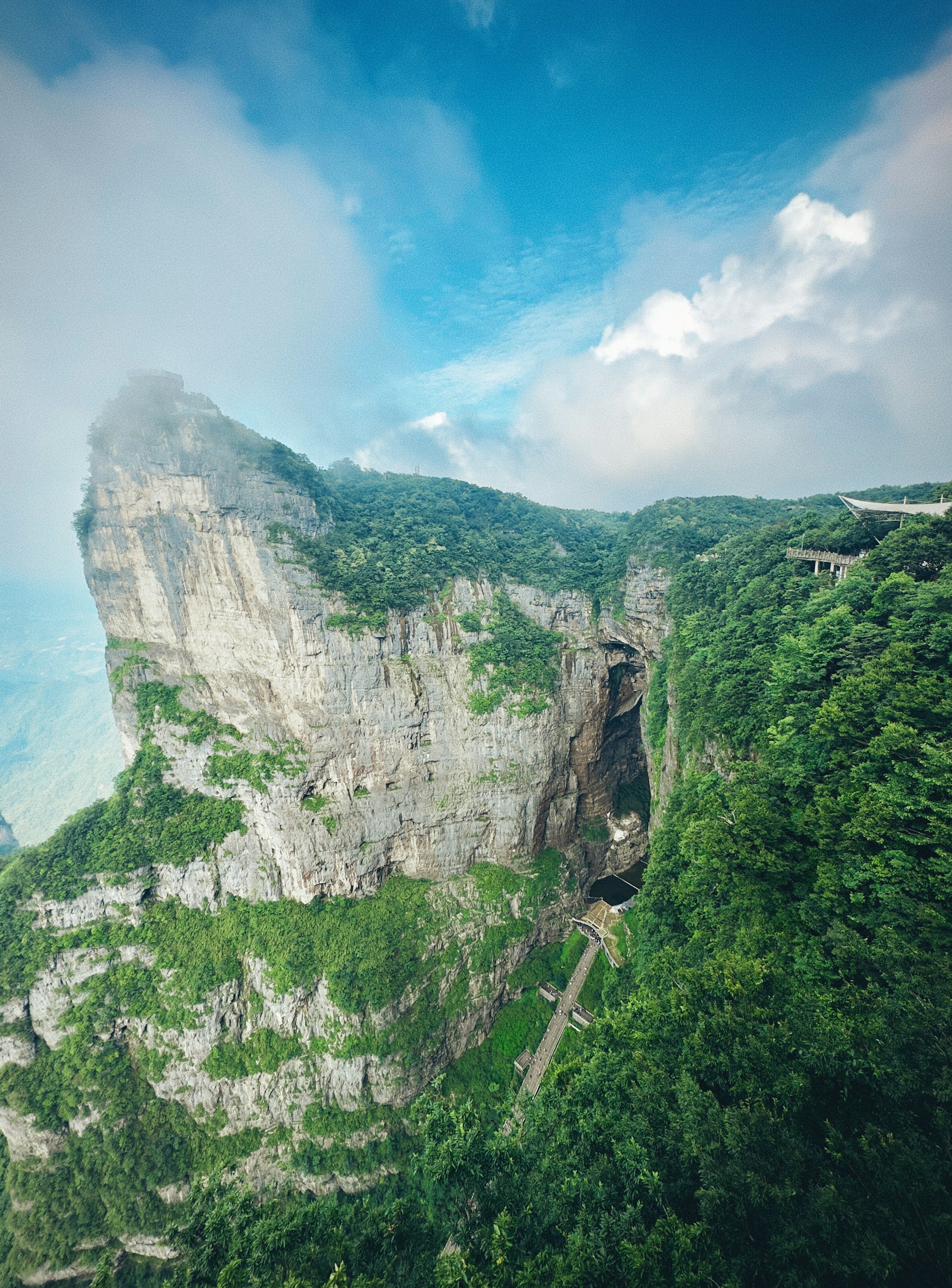
Zhangjiajie mountain scenery showing why rushed China routes can fail
COMMON FAILURE MODE

The scenery may be right, but one-night stops, weak buffers, and wrong sequencing can make it feel wrong.

High riskAvatar Mountain World

Trying to add Zhangjiajie, Guilin, Huangshan, and Yunnan in one short trip

Who makes it

First-time travelers who discover too many beautiful China photos at once.

Why it happens

China looks compact on a map, but scenic regions often require flights, trains, park logistics, weather buffers, and different hotel bases.

Symptoms
  • ! Every city has only 1–2 nights
  • ! Many half-days are lost to transfers
  • ! The route has no bad-weather buffer
  • ! The traveler says “we can rest later”
Better design rule

For most first China trips, choose one major scenic anchor and optionally one softer scenic region.

Example fix: 10 days: Beijing + Zhangjiajie + Shanghai, not Beijing + Xi’an + Zhangjiajie + Guilin + Shanghai.

High riskAvatar Mountain World

Treating Zhangjiajie as a one-night photo stop

Who makes it

Travelers who saw one viral Zhangjiajie image and try to squeeze it between cities.

Why it happens

Zhangjiajie is not one viewpoint. Wulingyuan, Tianmen Mountain, queues, park transport, and weather make one night fragile.

Symptoms
  • ! Arrive late, leave next day
  • ! No plan for Wulingyuan vs Tianmen
  • ! No backup if the mountain is foggy
  • ! Too much luggage movement
Better design rule

Treat Zhangjiajie as a serious scenic anchor, usually with 3 nights for comfort.

Example fix: Skip one classic city or extend the trip so Zhangjiajie has enough breathing room.

Medium riskSoft Rivers & Countryside

Visiting Guilin but not giving Yangshuo enough time

Who makes it

Travelers who know the name Guilin but not how the region actually feels.

Why it happens

The most memorable soft-river and countryside feeling often comes from the wider Guilin/Yangshuo area, not only Guilin city.

Symptoms
  • ! Only one night in Guilin
  • ! No countryside time
  • ! No Li River/Yangshuo pacing
  • ! Longji added without season check
Better design rule

If soft rivers are the goal, design around Yangshuo and countryside time, not only a city stop.

Example fix: 4 nights: Guilin arrival + Li River/Yangshuo + countryside + optional Longji if season and mobility fit.

High riskFood, Pandas & Easy City Life

Adding Jiuzhaigou to Chengdu as if it were nearby

Who makes it

Travelers who want pandas, hotpot, and dramatic Sichuan scenery in one easy block.

Why it happens

Jiuzhaigou is spectacular but distance, altitude, transport, and season make it a serious extension.

Symptoms
  • ! Only 2–3 total nights for Chengdu + Jiuzhaigou
  • ! No altitude consideration
  • ! No transfer buffer
  • ! Food days disappear
Better design rule

Keep Chengdu easy unless you have enough days to make Jiuzhaigou its own planned extension.

Example fix: Chengdu 3–4 nights for food/pandas, or extend to 6–7+ nights if Jiuzhaigou is the priority.

High riskOld Towns & Highland Atmosphere

Trying to cover all of Yunnan in one trip

Who makes it

Travelers who hear Dali, Lijiang, Shangri-La, and Xishuangbanna are all amazing.

Why it happens

Yunnan is a province-sized travel world with different climates, altitudes, and travel styles.

Symptoms
  • ! One-night old town stays
  • ! Altitude jump without pacing
  • ! Long transfers every other day
  • ! No time to actually feel the towns
Better design rule

Choose a Yunnan corridor and leave the rest for another trip.

Example fix: Dali + Lijiang slower route, with Shangri-La only if days and altitude comfort allow.

Medium riskLocal Culture & Villages

Choosing Guizhou for deep culture but expecting big-city comfort everywhere

Who makes it

Culture-seeking travelers who underestimate rural logistics and accommodation variance.

Why it happens

Guizhou can feel wonderfully local, but the tradeoff is more complex transport and less uniform comfort.

Symptoms
  • ! Expecting luxury certainty in villages
  • ! No transport buffer
  • ! Too many villages in too few days
  • ! No festival/market timing check
Better design rule

Use Guizhou when deeper culture matters more than maximum convenience.

Example fix: Pair fewer village bases with realistic transport and comfort expectations.

Medium riskPoetic Eastern China

Planning Huangshan without weather and walking buffer

Who makes it

Travelers adding Huangshan after Shanghai/Hangzhou because it sounds nearby and poetic.

Why it happens

Huangshan is beautiful but involves mountain logistics, stairs, cable cars, hotel choices, and weather risk.

Symptoms
  • ! Only one rushed mountain day
  • ! No backup if cloudy/rainy
  • ! Ignoring walking comfort
  • ! Too many Jiangnan stops around it
Better design rule

Treat Huangshan as a serious scenic anchor, not a casual city add-on.

Example fix: Shanghai + Hangzhou/Suzhou for easy Jiangnan; add Huangshan only with enough days and comfort planning.

Medium riskSilk Road Edge

Treating Dunhuang or the Silk Road as a casual first-trip extension

Who makes it

History lovers who want Xi’an plus desert/grottoes but underestimate northwest distances.

Why it happens

Northwest China routes are rewarding but long-distance, season-sensitive, and less suitable as rushed side trips.

Symptoms
  • ! Dunhuang squeezed into a classic east-China route
  • ! No heat/cold season check
  • ! Flight/train assumptions unverified
  • ! Too few nights for the corridor
Better design rule

Make the Silk Road an intentional route world, not a last-minute extra.

Example fix: Do Xi’an + Dunhuang/Gansu as a focused northwest extension with enough days.